On the job, not on the phone
Your technicians are paid to fix equipment, not monitor a ringing phone from inside an attic.
The Dispatch Board System answers every call in under five seconds, qualifies the homeowner, books the job, and puts it on your board. Live in 30 days.
A homeowner in a house that will not cool is not comparing five quotes.
They call until someone answers.
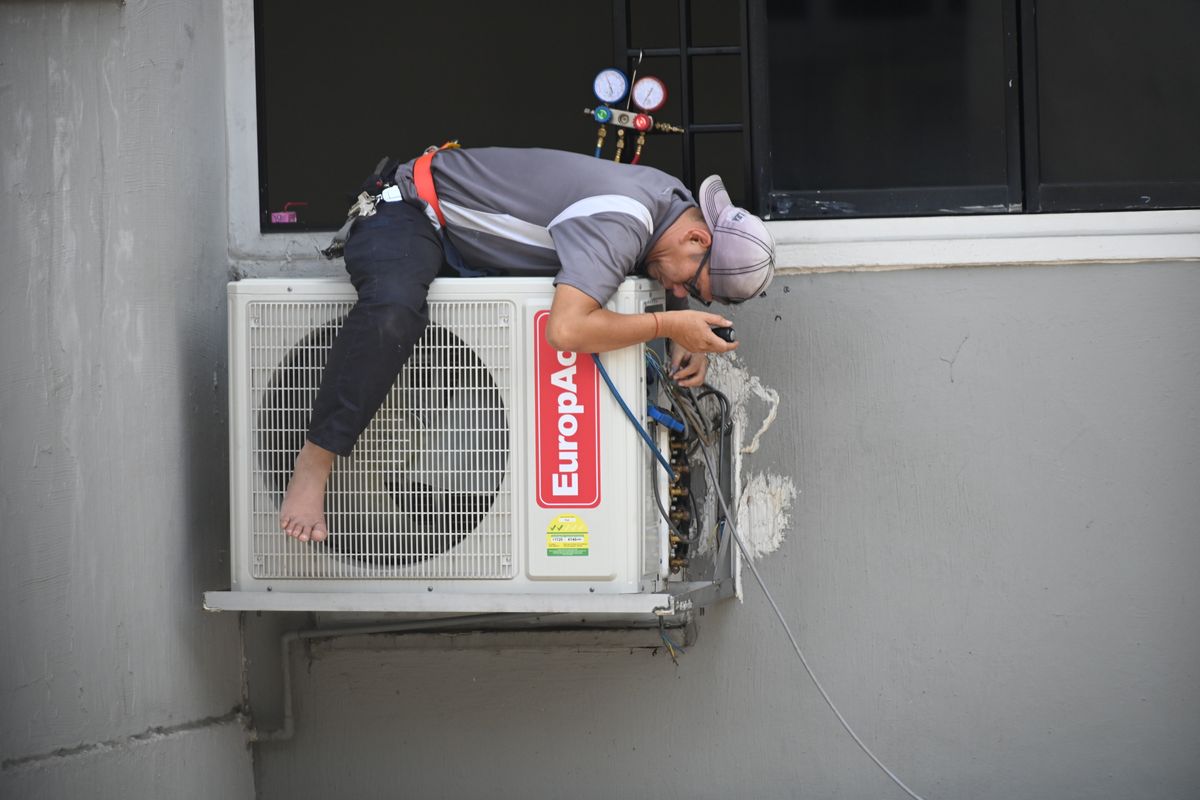
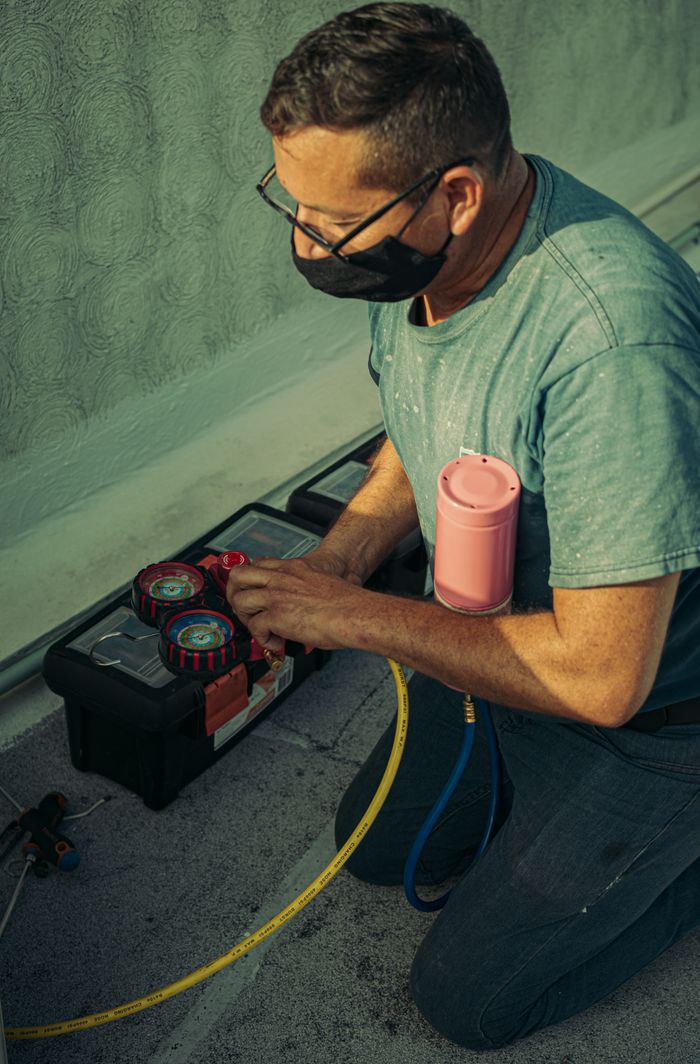
At 7pm you are on your back beside an air handler. The phone rings once, twice, three times. By the time you see it, the job is on another contractor's board.
27%
of home-service calls go unanswered. 85% of callers who reach voicemail never leave a message.
You did not lose that job because your price was too high.
You lost it because nobody picked up.
$0
Estimated booked revenue lost each year to unanswered calls.
From your call volume, average ticket, hours without coverage, a 27% unanswered-call benchmark, a 44% booking rate, and a conservative 45% recovery factor.
Benchmarks estimate 27% of home-service calls go unanswered. The average missed call is worth about $1,200, and 85% of voicemail callers never leave a message. They call the next contractor.
✳ Use your numbers and see what that gap may be costing you.
Your technicians are paid to fix equipment, not monitor a ringing phone from inside an attic.
Breakdowns do not stop at 5pm. If your line goes to voicemail, the job goes to the contractor who answers.
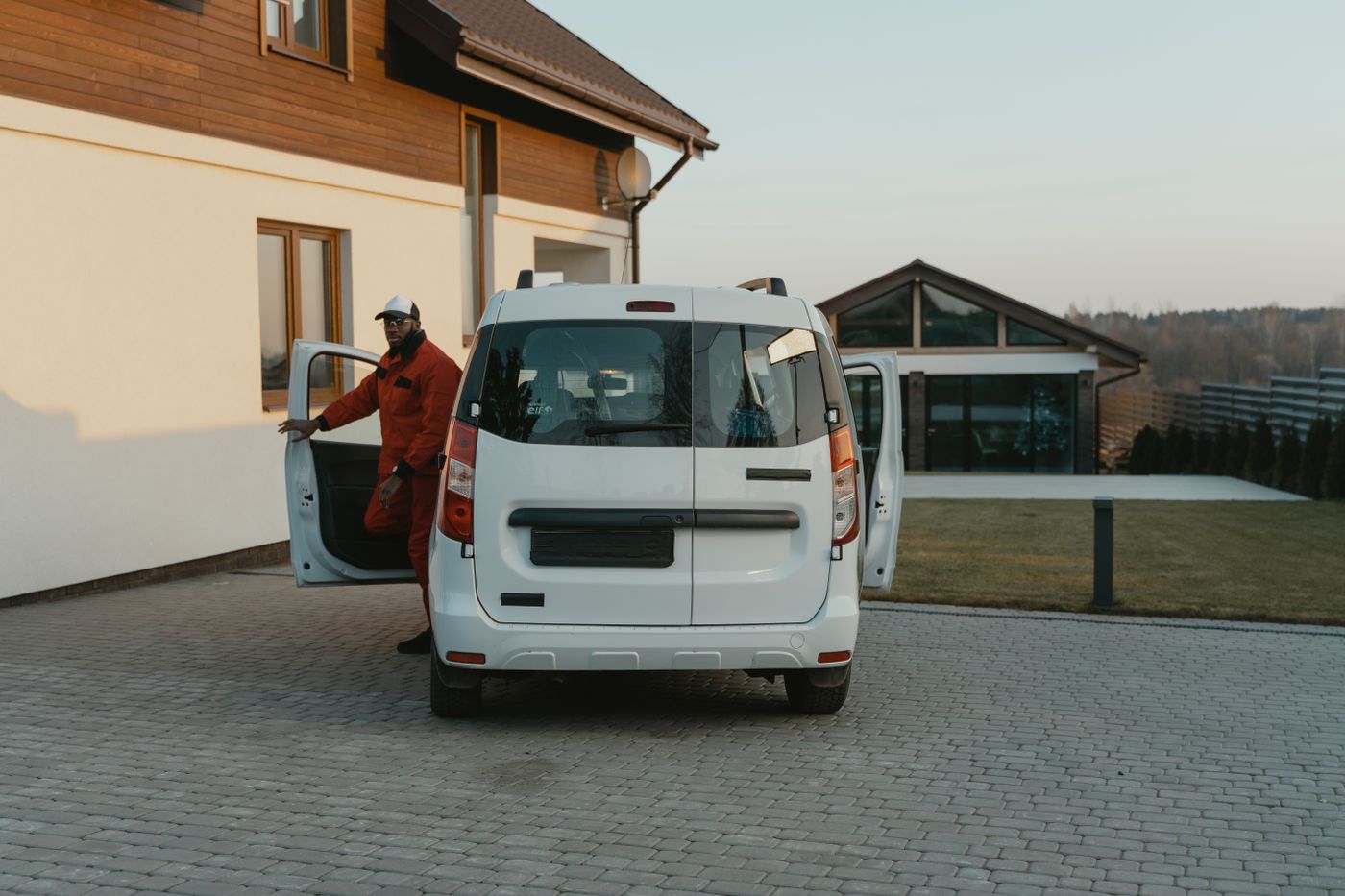
By the time you return the call at 8:40pm, another truck may already be in the driveway.
Nobody picked up. Nothing was logged. The homeowner dialed the next result.
Same three calls. Same night. Three jobs on the board by morning.
Most contractors we audit are already paying for enough opportunities. The leak happens after the phone rings.
Industry benchmarks show home-service trades converting 12% to 16% of leads, and booking rates reaching 41.5% when the response happens within the hour.
The lesson is simple: more ad spend cannot fix a slow pickup. The lowest-cost job you can book this year may be the one you already paid to generate.
More calls cannot fix a phone nobody answers.
Three connected parts. One result. More qualified jobs on the board.
This is not another monthly retainer that ends with a report about clicks. We install a working call-to-booking system in 30 days, then manage and improve it every week.
Google Local Services and Google Ads focused on urgent, high-intent searches, not vanity keywords. Benchmarks put Local Services at about $57 per call versus roughly $183 on standard Google Ads. We shift budget toward the channels producing the lowest cost per booked job.
A trained inbound voice agent answers every call, day or night, including weekends. It confirms the homeowner's need, captures the address, qualifies the request, and books the appointment directly onto your board. No voicemail. No waiting for a callback.
If a call drops, an instant text-back starts the recovery. Seven to eight follow-up touches across SMS and email keep the conversation moving. Every opportunity is tracked from first ring to booked appointment and closed ticket.
The system is simple: ring, answer, book. Most shops lose revenue in the seconds between the first two.
Most agency dashboards show impressions, clicks, and charts that look busy. They still do not tell you whether the month produced booked work.
Where did the call come from? Was it answered? How quickly? Did it become a booked job? What did that booking cost?

Interface shown for illustration. Your board reflects your own call and booking data.
Nights, weekends, holidays, lunch breaks, and the hours your team is in an attic. Calls are answered instead of sent to voicemail.
Budget shifts toward the channels producing qualified bookings at the lowest cost, and away from sources that generate price shoppers and dead ends.
The homeowner who reaches your number is yours to serve, not a shared lead sold to several contractors at once.
Booked, contacted, no-showed, rescheduled, closed. One screen shows exactly what happened to every call.
Your CSR handles the conversations that need judgment and empathy. The system handles repetitive qualification, booking, and follow-up.
No vanity metrics. See cost per booked job, answer rate, and booking performance by channel, every month.

| Before | After | |
|---|---|---|
| After-hours calls | Sent to voicemail | Answered and booked |
| Response time | Hours later | Under 5 seconds |
| Call source | Shared lead sites | Exclusive to your shop |
| Follow-up | When someone remembers | Automatic, every time |
| Reporting | Clicks and impressions | Calls and booked jobs |
| Board on Monday | Half-filled, unclear | Booked and assigned |
The same homeowner reaches you at very different acquisition costs depending on the channel. The system moves budget toward the lower-cost source, then protects the opportunity by making sure the call is answered.
Before signing our first client, we completed twenty free Dispatch Audits across Austin, Round Rock, and Cedar Park. We asked the same three questions in every shop: What does each call cost? Who answers it? What happens when nobody does? These were the patterns.
17 of 20
had no after-hours answering system
14 of 20
combined install and repair in one Local Services target
11 of 20
paid more than 3x their Local Services cost per booked job on shared platforms
9
median unanswered calls per week
Traffic was not the common failure. Call handling was.
Most agency pages lead with a wall of testimonials. We will not manufacture one.
The Dispatch Board System launched this year, so we are selecting three founding companies at reduced terms. We get full access to the call and booking data. You get the complete system at the founding rate. At day 90, we document the outcome honestly.
Three companies only. 2 spots remaining. Applications close September 30, 2026.
About seven in ten contractors working with an agency report being dissatisfied. Usually, the failure is not a lack of activity. It is unclear ownership, weak follow-up, and reports that never connect spend to booked work. We designed the system and the agreement around those failures.
Most agencies deliver traffic and leave your team to catch it. We answer the call, qualify the homeowner, and book the appointment. Ask every agency on your shortlist what happens at 7pm. Then compare the answer.
We serve one company per service area. No competitor down the road. No dentists or realtors. Every workflow, script, and report is built around a service dispatch board.
You see the investment before the call: $3,997 to install and $2,997 per month. No hidden package, custom quote, or discovery deck required to reveal the number.
Your Google account, Local Services account, domain, website, tracking numbers, call recordings, and customer data stay yours. After the initial 90 days, the agreement is month to month. If we part ways, you keep the assets and the history.
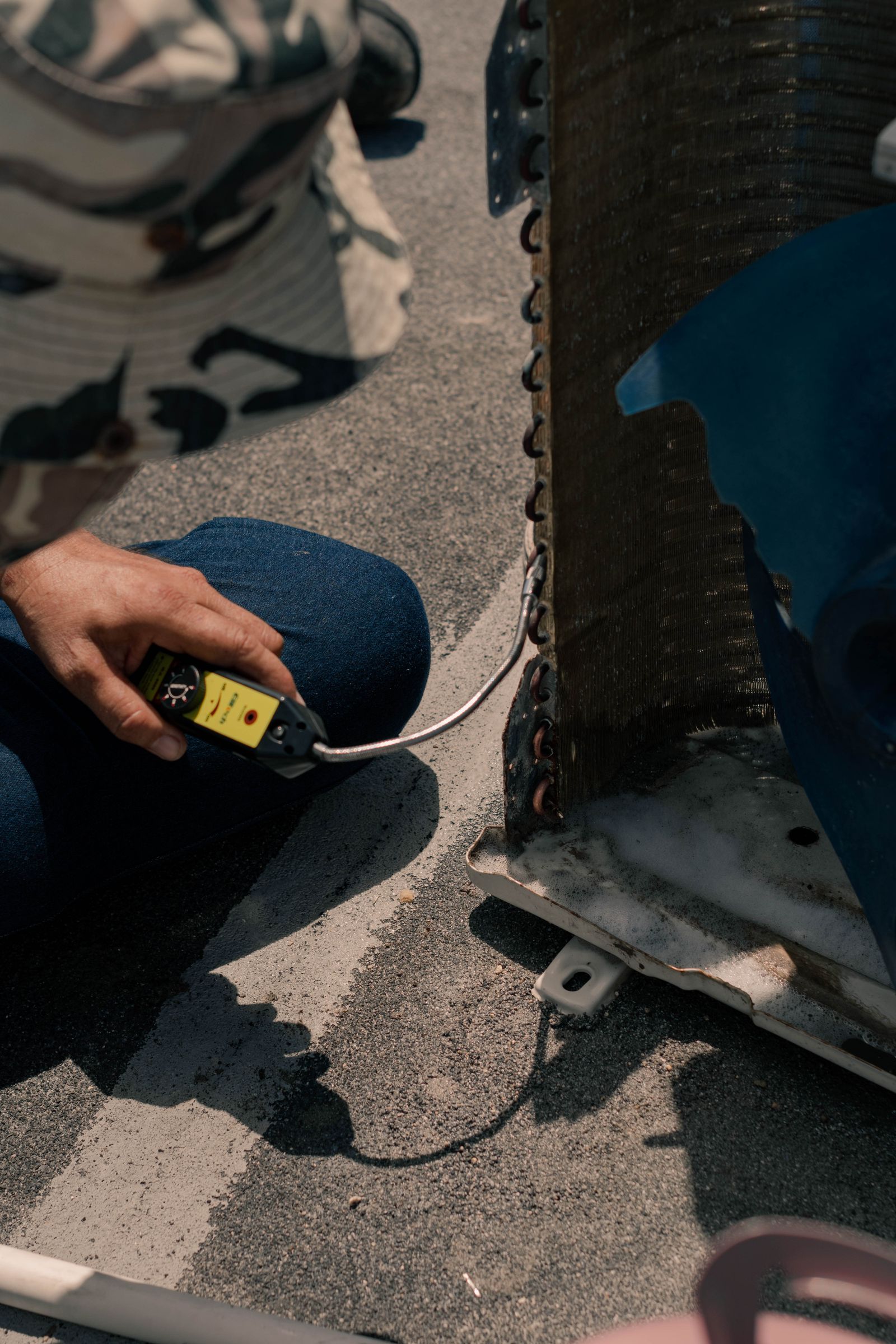
During the first two weeks, we agree on a target cost per booked job and document the baseline in writing. If your cost is not lower by day 90, we manage month four at no charge. At the end of that month, you can continue or walk away. The agreement defines the measurement clearly, and we review it with you on the kickoff call.
Begin with the free Dispatch Audit. In fifteen minutes, we identify the biggest leak between paid calls and booked jobs. You receive three numbers you can use, even if we never work together.
Estimated revenue lost to unanswered calls over the last 12 months
Cost per booked job by channel, compared with industry benchmarks
Current status and next action for your Local Services migration
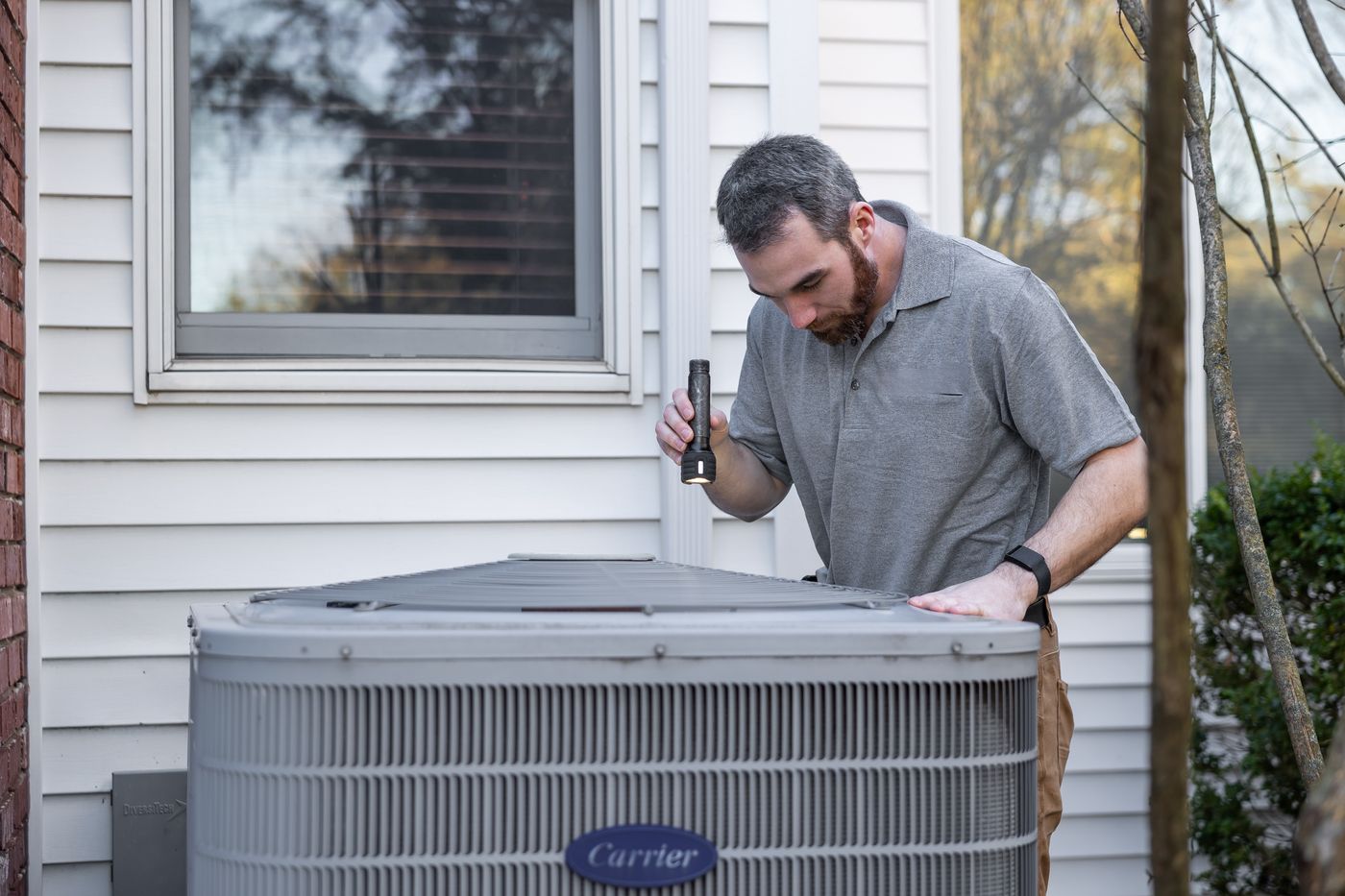
The 7pm call, on the board by morning, in the driveway by eight.
No slide deck. No long-term contract. Just fifteen minutes, your numbers, and a clear next step.
Your estimated annual gap: $0
We reply within one business day. If the system is not a fit for your shop or service area, we will tell you directly.